A good cleaning plan protects both the appearance and condition of a property. This guide explains the practical considerations EcoLux discusses with clients before defining a professional scope.
What makes a deep clean different?
Routine cleaning maintains a space. Deep cleaning allows additional time for buildup, edges, fixtures and areas that are easy to overlook during weekly care. The exact scope should reflect the home’s size, condition, finishes and priorities.
Health Canada’s residential indoor-air guidance identifies cooking and cleaning among possible indoor sources of fine particulate matter (PM2.5). It recommends keeping indoor PM2.5 as low as possible and explains that air filtration works best alongside ventilation and source control. Cleaning should therefore remove settled soil without presenting itself as a substitute for ventilation or indoor-air assessment.
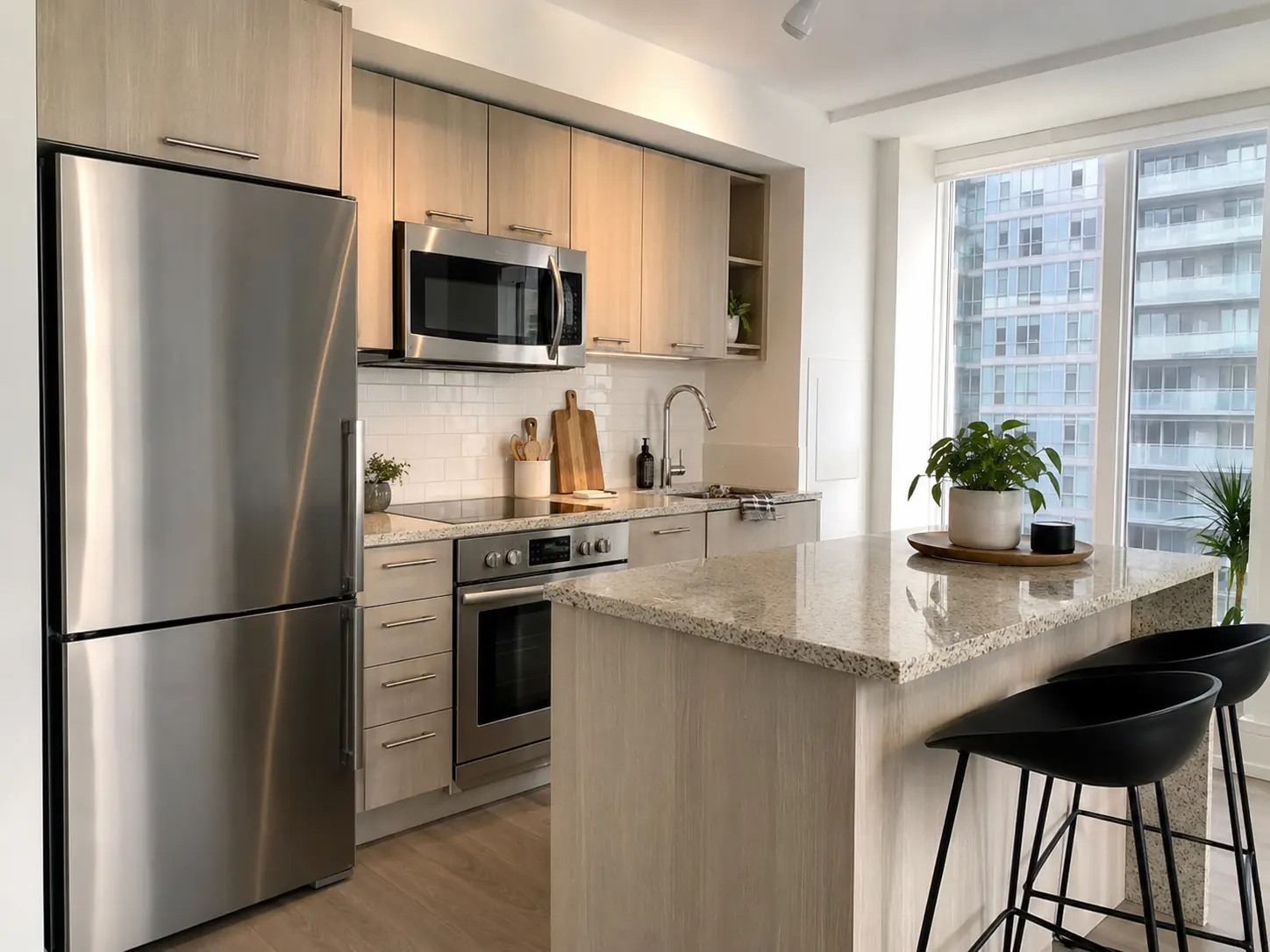
Kitchen checklist
Begin high and work down so loosened dust and residue are removed during the final floor clean.
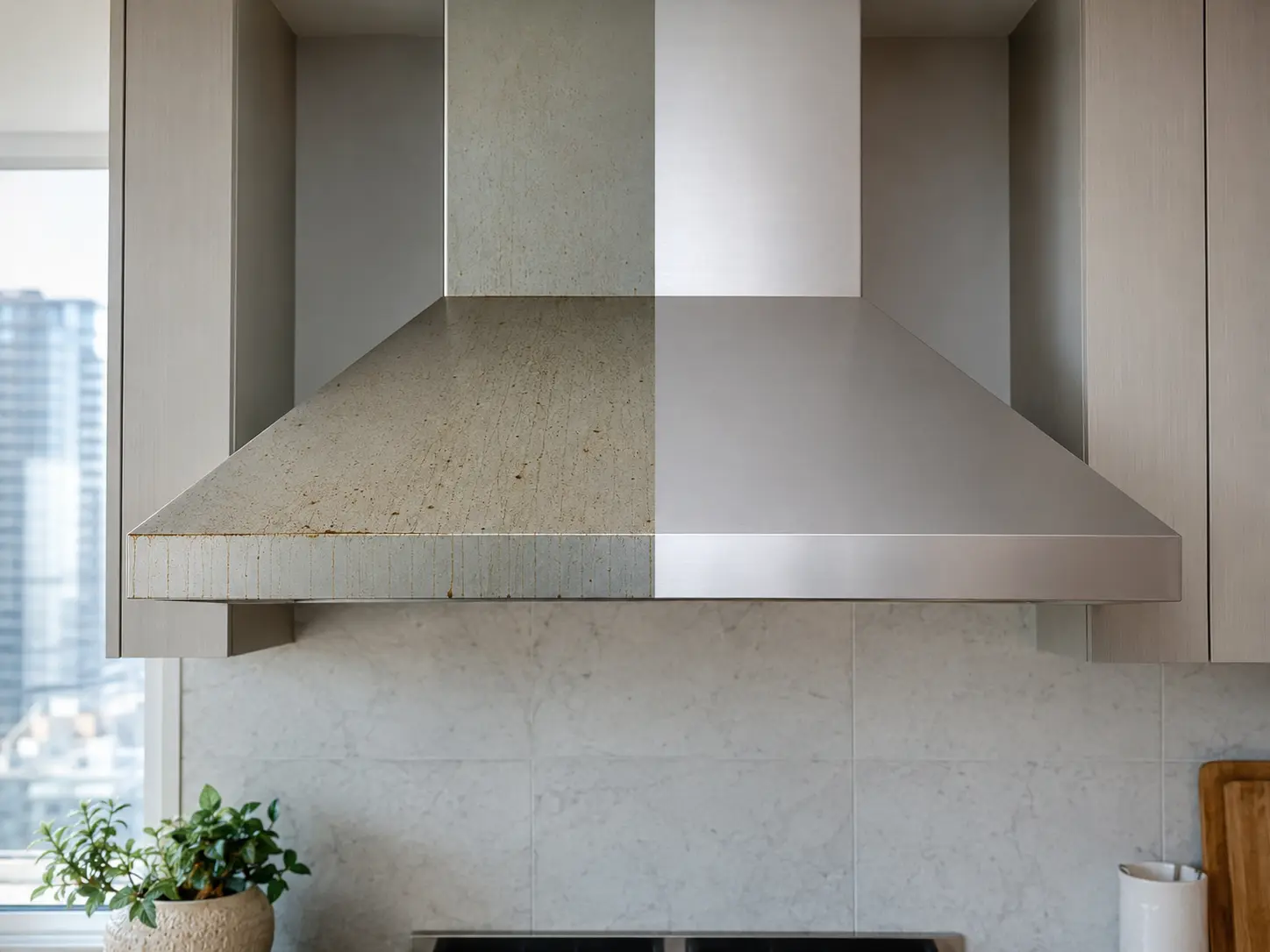
- Degrease the backsplash and exterior of the range hood
- Clean cabinet fronts, handles and accessible edges
- Detail the sink, faucet and drain area
- Wipe appliance exteriors and clean interiors when included
- Dust ledges, vents and reachable light fixtures
- Vacuum edges before washing hard floors
Bathrooms and living areas
Bathrooms often need dwell time for products to work safely. Living spaces benefit from a methodical pass around the room.
- Remove buildup from tubs, showers, fixtures and grout lines
- Clean mirrors, vanities and cabinet fronts
- Detail baseboards, doors, frames, switches and handles
- Vacuum upholstery edges, carpets and rugs as appropriate
- Dust reachable vents, blinds, sills and ledges
When to call a professional
Professional support is useful when the property is overdue, time is limited, delicate finishes require care or the work is part of a move, renovation or event. A clear quote should identify included tasks and optional extras before the appointment.
AUTHORITATIVE SOURCES
Evidence behind this guide
EcoLux uses official guidance to explain general cleaning and indoor-environment principles. Product labels, manufacturer instructions and conditions at the property remain controlling.
“Indoor levels of PM2.5 should be kept as low as possible.”
Health Canada identifies cooking and cleaning among indoor PM2.5 sources and recommends minimizing indoor particulate levels.
Health Canada: Guidance for fine particulate matter (PM2.5) in residential indoor air ↗Health Canada explains that filtration should be combined with ventilation and source control.
Health Canada: Improve indoor air quality in your home ↗PERSONALIZED RECOMMENDATION
Turn this guide into a plan for your property.
Tell us about your space, timing and priorities. We’ll recommend an appropriate service and prepare a clear quote.