A good cleaning plan protects both the appearance and condition of a property. This guide explains the practical considerations EcoLux discusses with clients before defining a professional scope.
Myth 1: more product means more cleaning power
Excess product can leave a film that attracts soil. Use the label dilution and allow the recommended contact or dwell time.
Myths 2–4: one product works everywhere
Vinegar is not suitable for every stone or finish. Bleach is not a universal cleaner, and disinfectant does not work properly on a visibly dirty surface. Clean first when the product instructions require it.
The U.S. Geological Survey defines pH on a 0–14 scale: values below 7 are acidic, 7 is neutral and values above 7 are basic. Because vinegar is acidic, it should not be treated as a universal surface cleaner; the material manufacturer’s instructions should determine whether an acidic product is appropriate.
- Never mix bleach with ammonia, acids or other cleaners
- Test unfamiliar products away from view
- Follow ventilation and protective-equipment directions
Myths 5–7: speed is always better
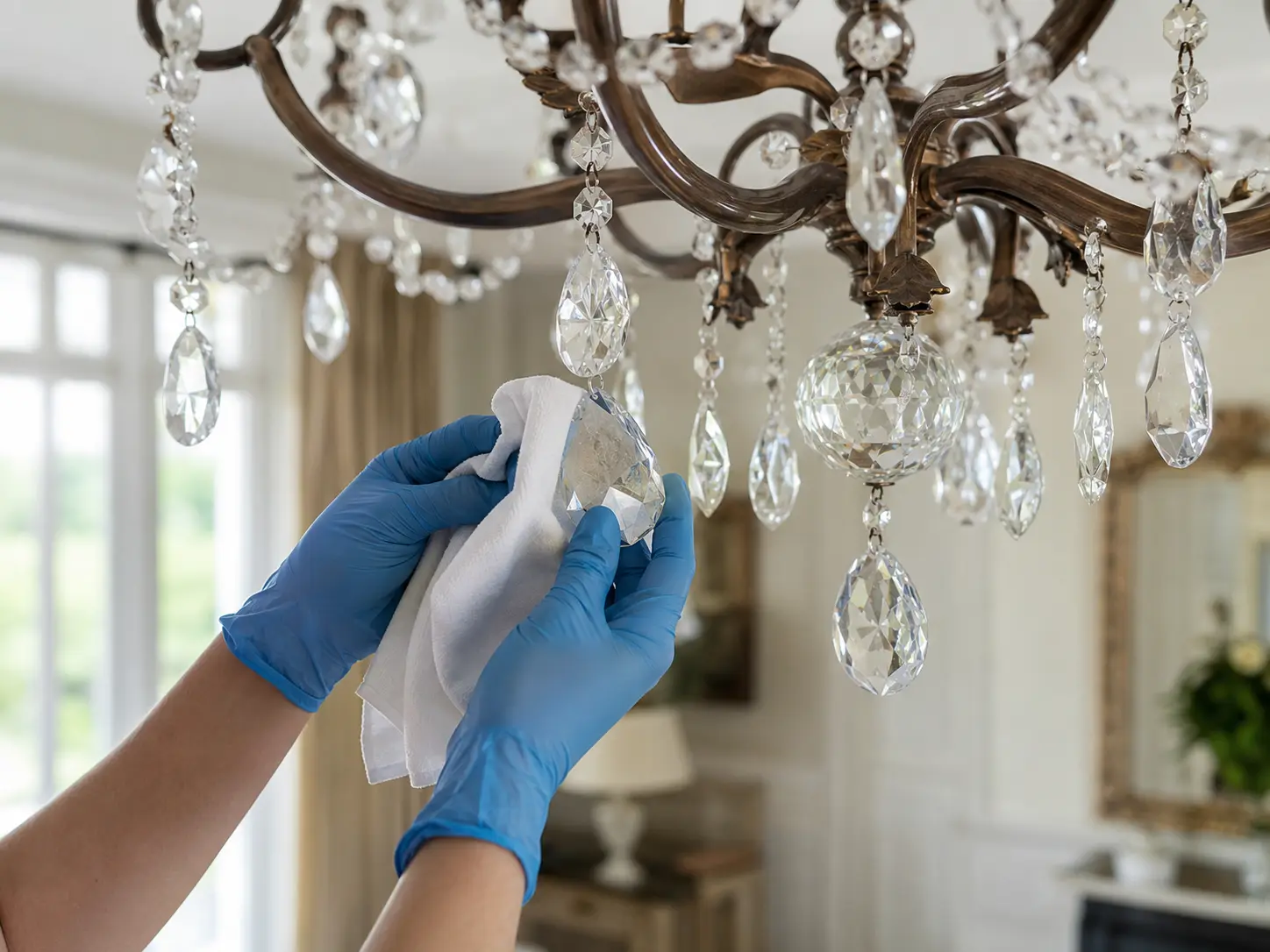
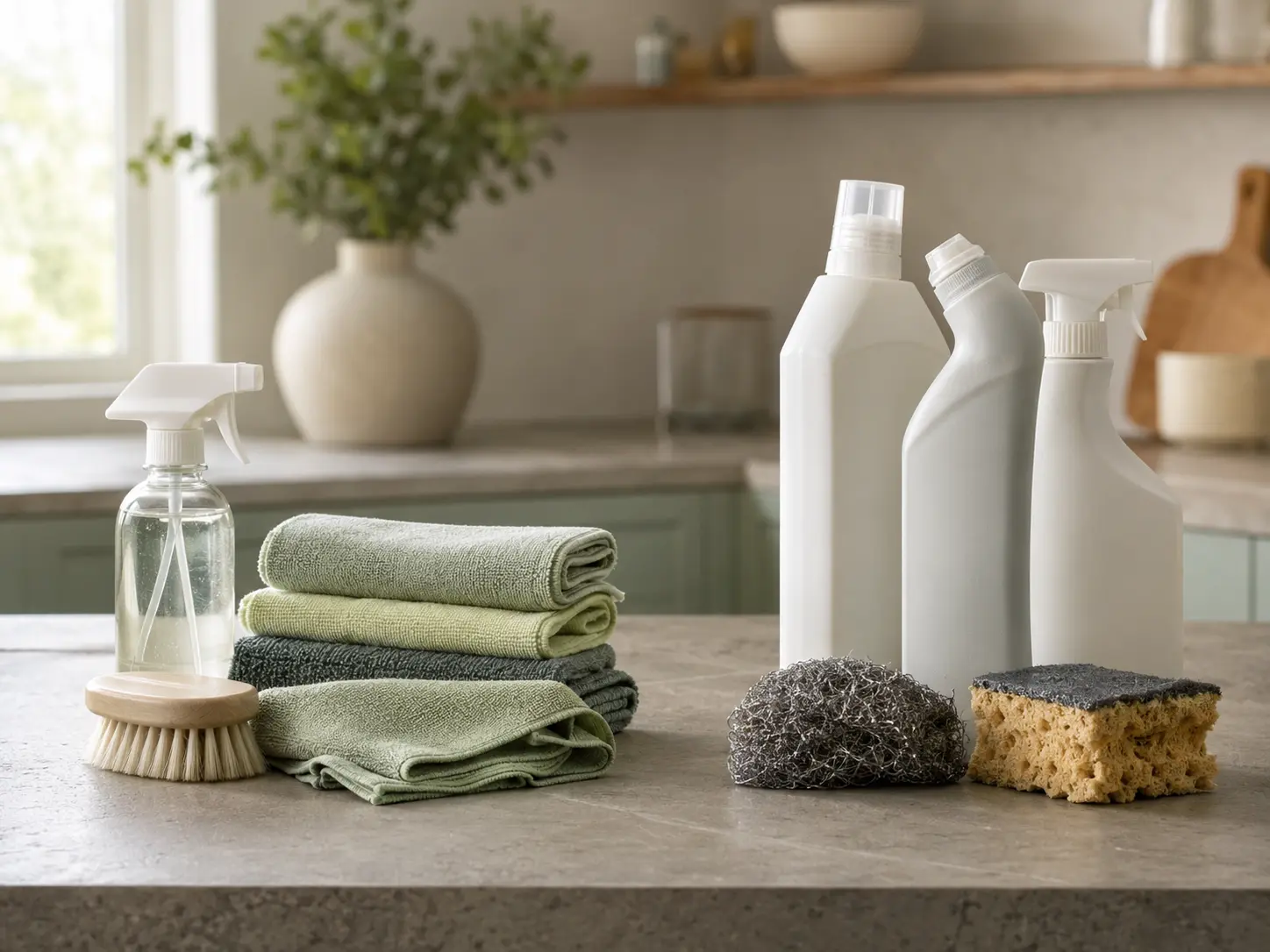
Dry dusting can redistribute fine particles, a dirty cloth can move residue from room to room, and immediate wiping can prevent a product from doing its job. Fold microfiber cloths into clean working faces and change them as they become soiled.
A better rule
Match the method to the material. Manufacturer guidance, correct dilution, clean tools and a consistent sequence are more reliable than internet shortcuts.
AUTHORITATIVE SOURCES
Evidence behind this guide
EcoLux uses official guidance to explain general cleaning and indoor-environment principles. Product labels, manufacturer instructions and conditions at the property remain controlling.
“The pH scale ranges from 0 to 14, with 7 being neutral.”
USGS defines the 0–14 pH scale: values below 7 are acidic, 7 is neutral and values above 7 are basic.
U.S. Geological Survey: pH and Water ↗EPA evaluates chemical ingredients against Safer Choice criteria. A safer ingredient designation does not override a surface manufacturer’s care instructions.
U.S. Environmental Protection Agency: Safer Chemical Ingredients List ↗PERSONALIZED RECOMMENDATION
Turn this guide into a plan for your property.
Tell us about your space, timing and priorities. We’ll recommend an appropriate service and prepare a clear quote.